


CHARMSbio


Implementation Phase
CHARMSbio: Building Sustainability – Establishing a Competence Center for Bio-Based Urbanism in Thailand
Rapid urbanisation and rising temperatures are increasing the demand for cooling in Southeast Asian cities. At the same time, construction and building operation continue to contribute significantly to greenhouse gas emissions. Although bio-based building materials offer considerable potential for climate-friendly urban development, their wider adoption is often constrained by missing standards, fragmented supply chains, limited technical expertise and insufficient mechanisms for knowledge transfer.
CHARMSbio addresses these challenges by supporting King Mongkut’s Institute of Technology Ladkrabang (KMITL) in establishing a Competence Center for Bio-Based Urbanism. The centre serves as a platform for research, education, vocational training and technology transfer, bringing together stakeholders from academia, industry, public administration and civil society.
Building on experiences from the previous CHARMS project, CHARMSbio focuses on the development, validation and practical application of sustainable construction solutions based on locally available biomass resources such as Typha and rice straw. The objective is not only to improve the environmental performance of buildings but also to strengthen local innovation capacities and create long-term institutional structures for bio-based urban development in Thailand.
A key feature of the project is its capacity-building approach. Rather than focusing solely on research outputs, CHARMSbio aims to develop expertise among future researchers, technology transfer managers, urban planners, vocational trainers and construction professionals. To achieve this, the project combines four complementary fields of action: building physics and material development, technology transfer, urban planning and policy integration, and vocational education and training for bio-based construction.
The project builds upon the Typha pilot house and related demonstration activities established at KMITL during the previous project phase. This demonstration and research facility is used to validate bio-based construction solutions under local climatic conditions and to demonstrate their practical application to researchers, students, policymakers and practitioners.
Through research, training and stakeholder engagement, CHARMSbio seeks to create the conditions necessary for scaling bio-based construction in Thailand and supporting its wider transfer across Southeast Asia. The long-term goal is to support climate-resilient urban development, strengthen regional innovation ecosystems and establish durable institutional capacities for sustainable urban transformation.
Research in Action
charms-1
charms-2
charms-3
charms-4
Research and Development Phase
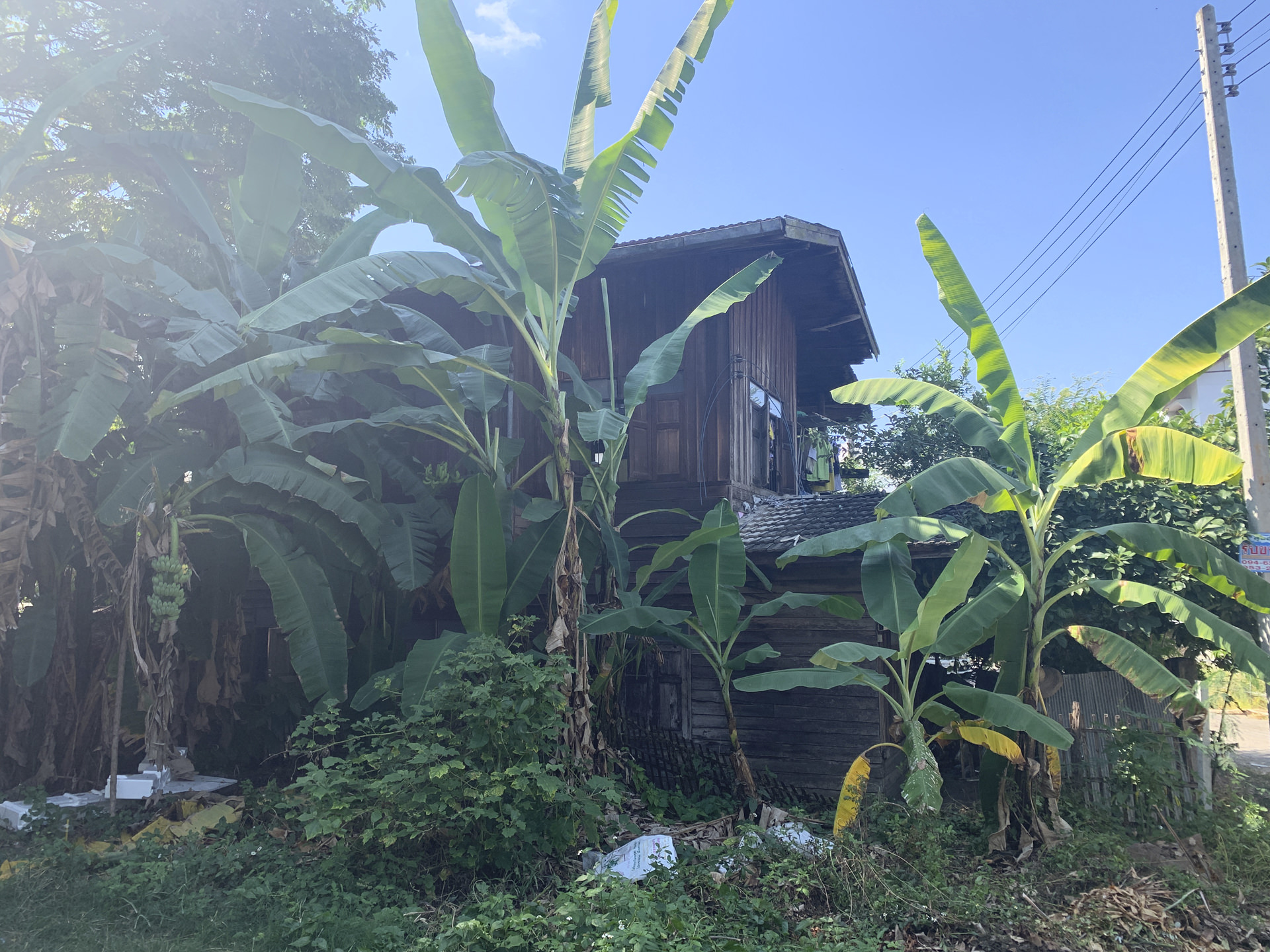
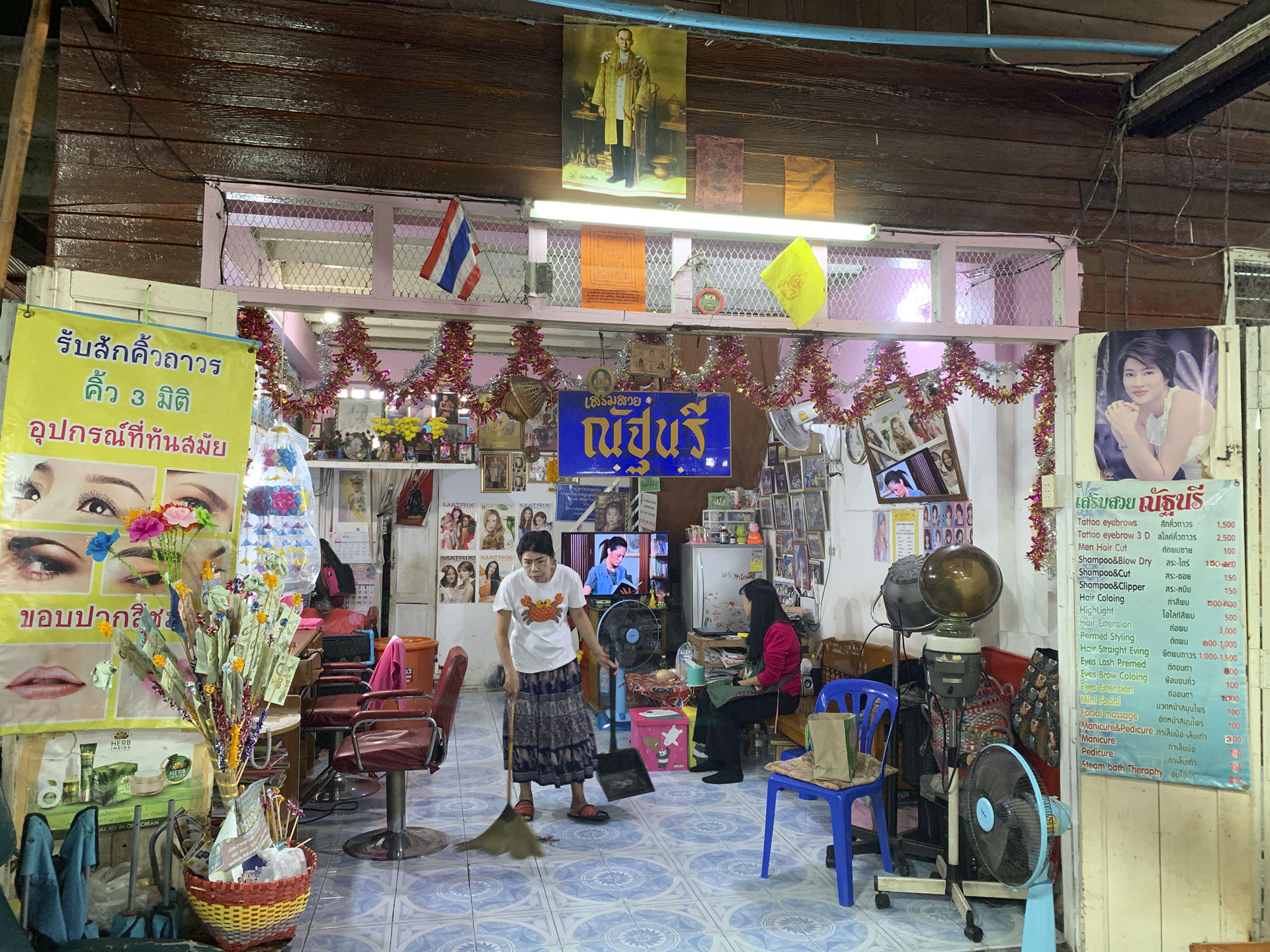
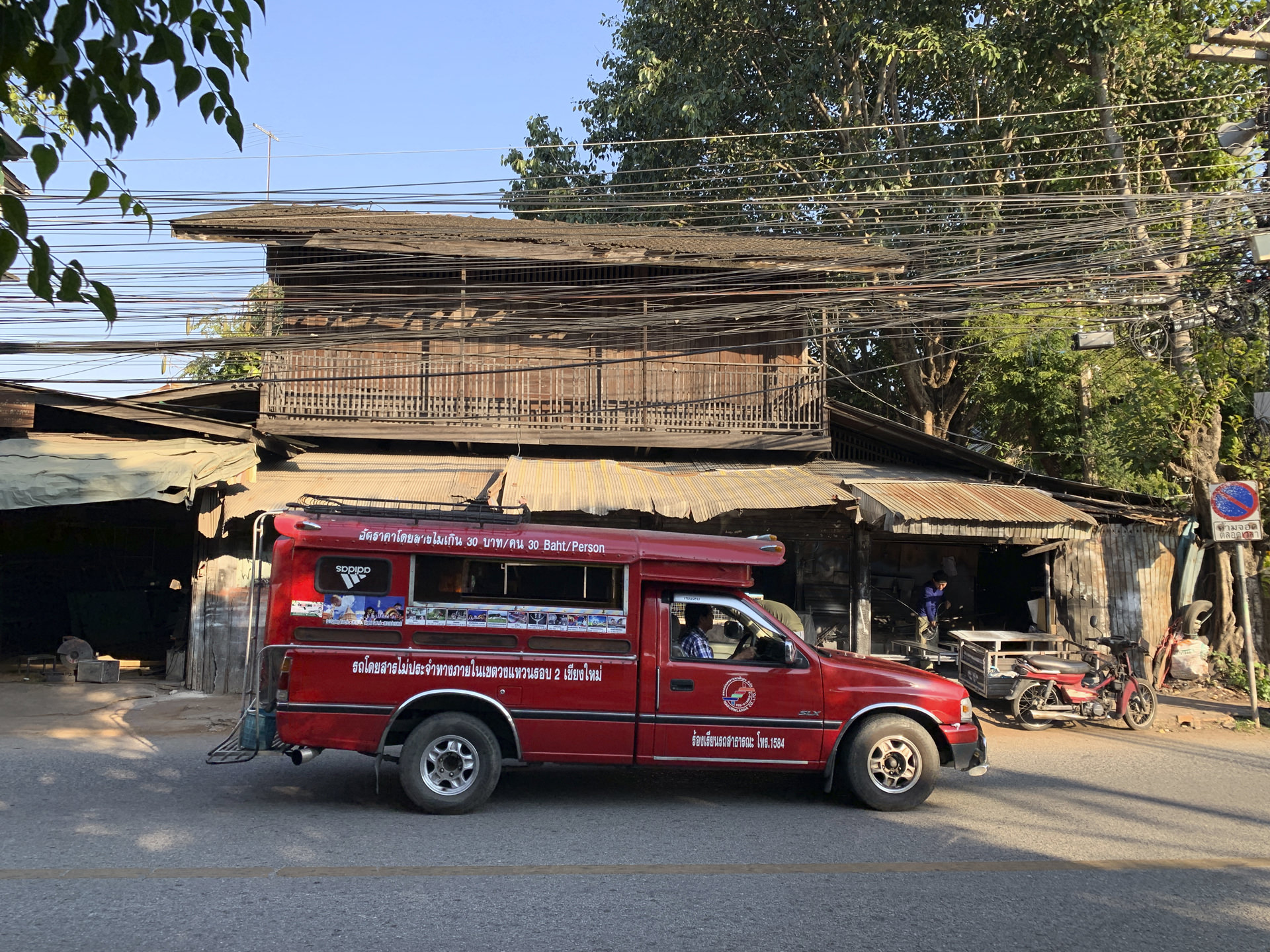
CHARMS (2021–2025) explored how traditional wooden buildings can contribute to sustainable urban development while preserving cultural heritage and improving quality of life. Originally focusing on historic neighbourhoods in Chiang Mai, the project investigated how technical and social innovations could enhance indoor comfort, reduce energy demand and strengthen the long-term use of vernacular buildings as part of a sustainable urban future.
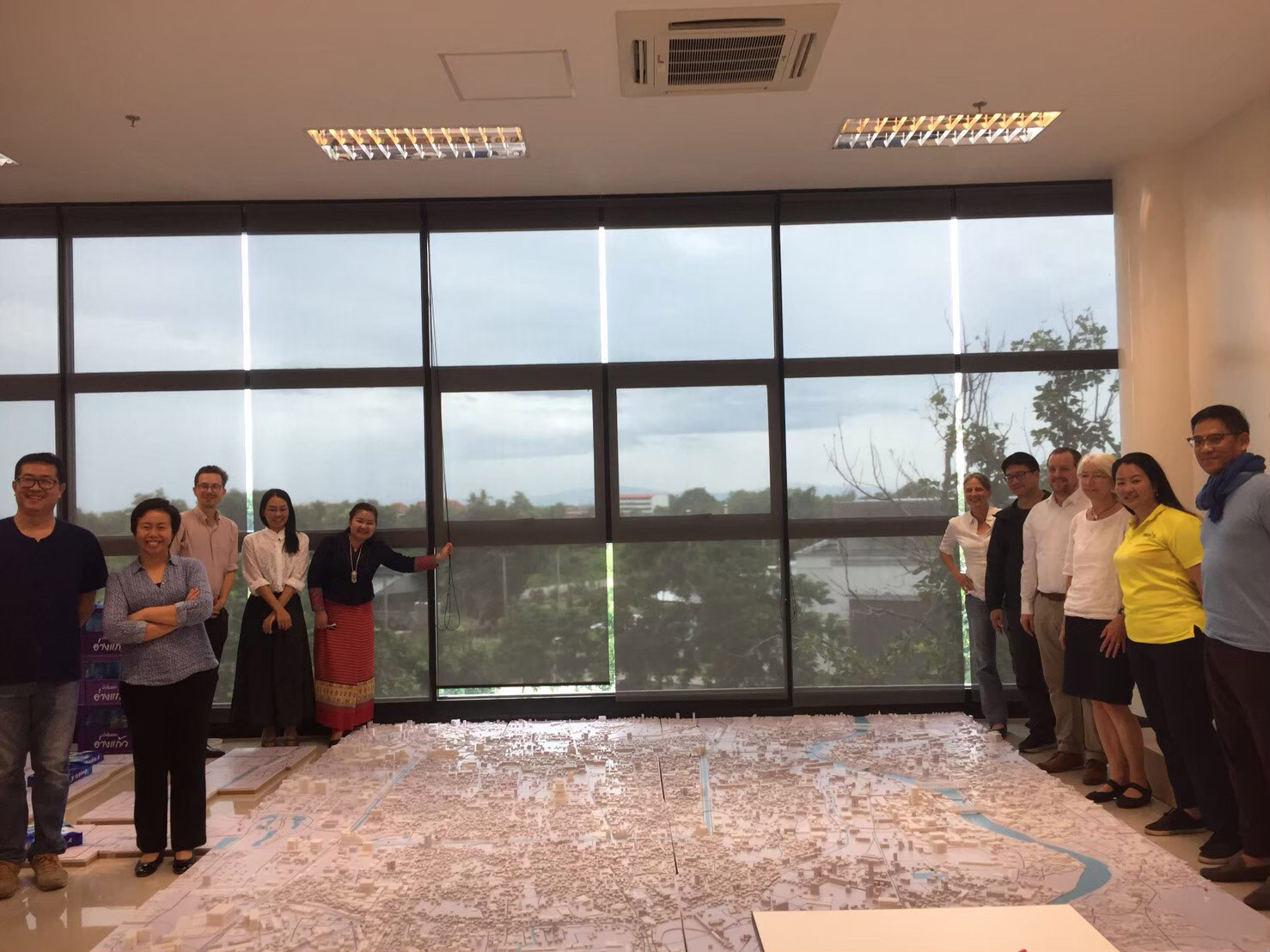
The project combined expertise from architecture, urban planning, building physics and social sciences. Using mixed-method approaches, stakeholder participation and local governance formats, CHARMS worked closely with residents, public authorities and civil-society actors to develop locally accepted solutions for improving living conditions in historic urban areas.
Over time, the project increasingly focused on the role of bio-based construction materials for sustainable urban development. In cooperation with King Mongkut’s Institute of Technology Ladkrabang (KMITL), CHARMS investigated the feasibility of Typha-based insulation materials and established a pilot house on the KMITL campus. Equipped with sensors and monitoring systems, the pilot house provided valuable data on thermal performance, indoor comfort and the suitability of bio-based materials under tropical climatic conditions.
In addition, the project explored questions of user acceptance, sustainable resource use and knowledge transfer through activities such as the Sustainable Heritage Masterclasses and participatory SenseMaker studies. The results demonstrated both the technical feasibility and social relevance of bio-based construction approaches and laid the foundation for CHARMSbio, which now focuses on establishing long-term institutional capacities, strengthening technology transfer and supporting the broader implementation of bio-based urban development approaches in Thailand.
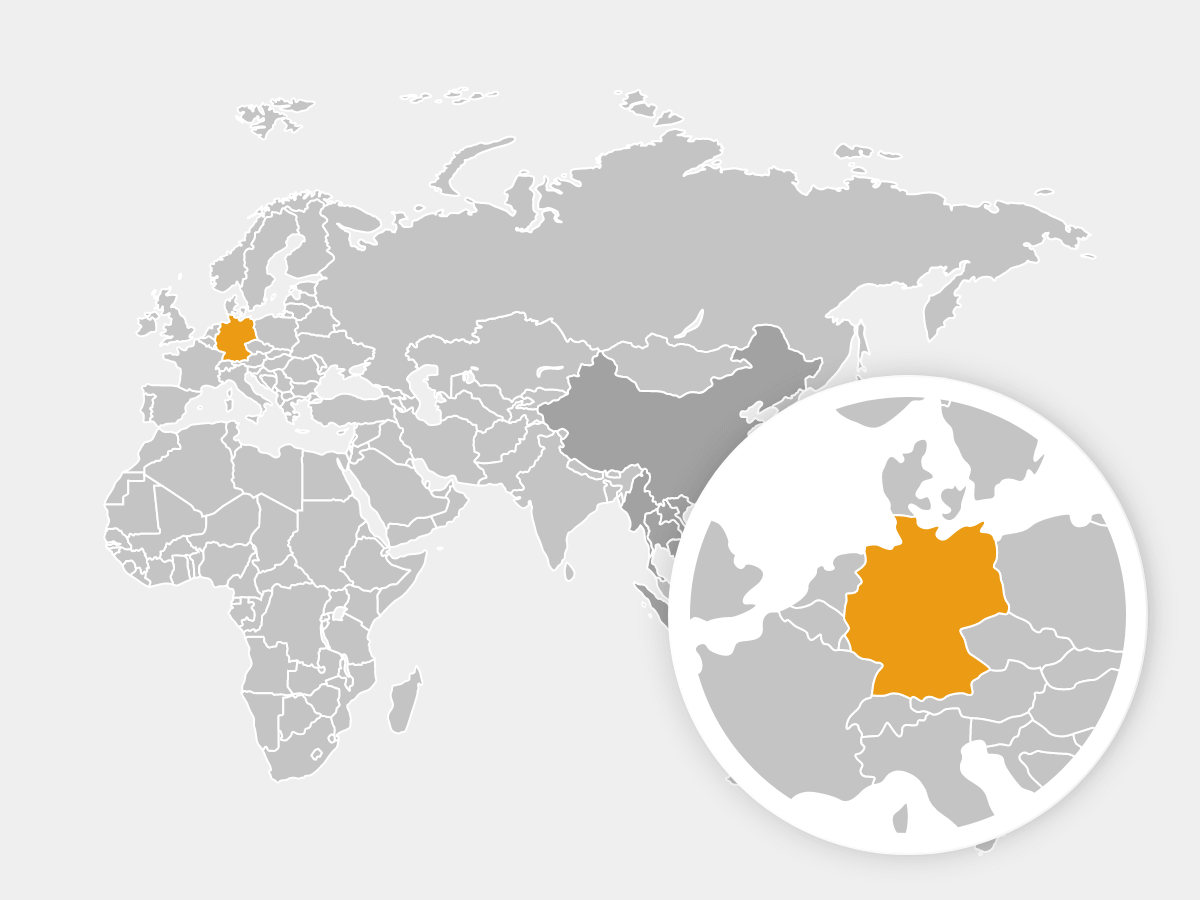
German Partners
Thai Partners
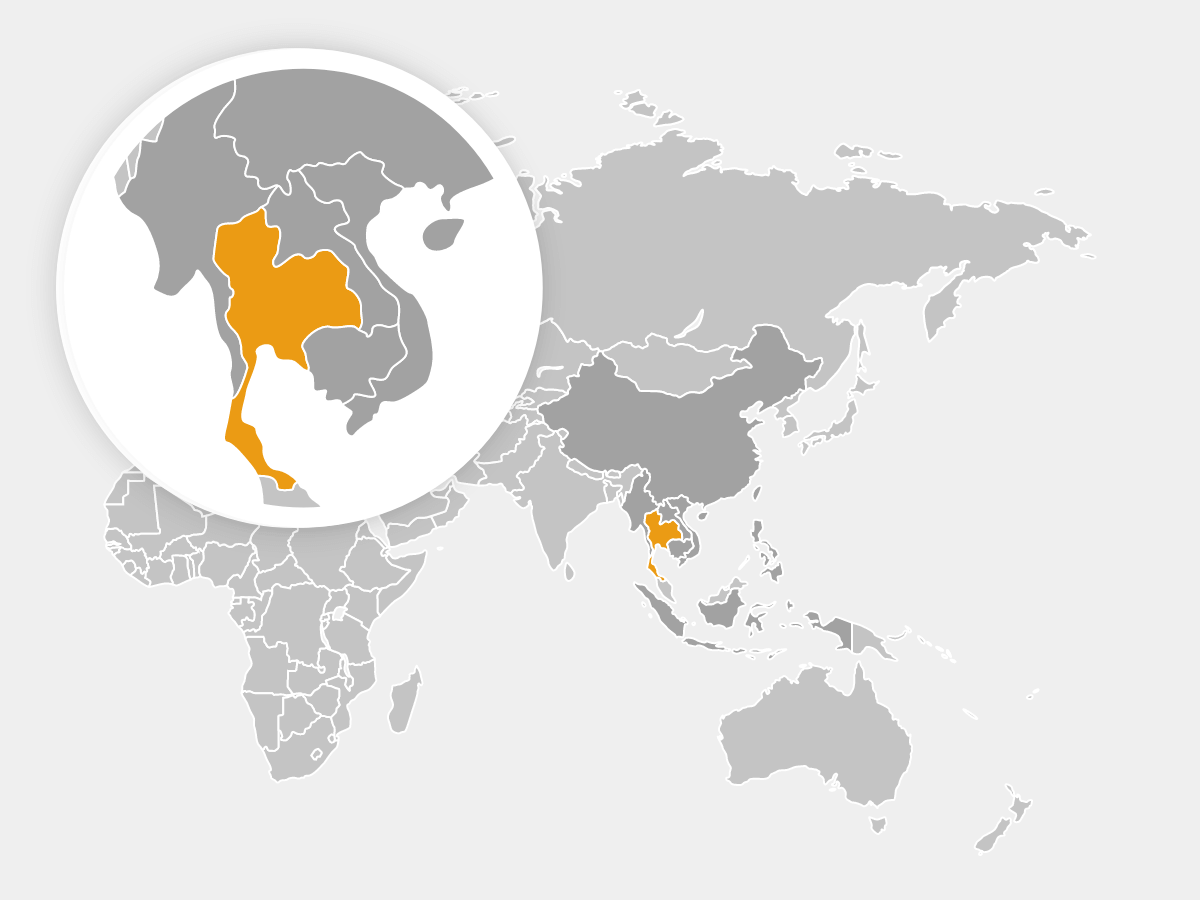
- King Mongkut’s Institute of Technology Ladkrabang (KMITL), Thailand
- School of Architecture, Art and Design, KMITL
- Rajamangala University of Technology Thanyaburi (RMUTT), Thailand
- HempThai, Thailand
- The Siam Society Under Royal Patronage
- Additional stakeholders from academia, industry and public administration
Henrik Beermann
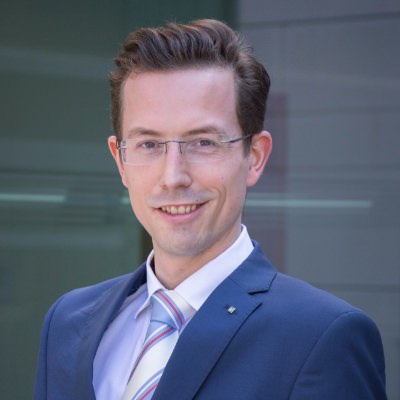
charms-beermann
©Fraunhofer IMW
Projekt CHARMS, Henrik BeermannSustainable development and the preservation of tangible and intangible cultural heritage cannot be separated. Dynamic changes in lifestyles, the COVID-related increasing importance of the domestic environment as a living and working space, and the CO2 consumption of urban structures require new utilisation concepts for historic, built structures in the Asian city of tomorrow. This is precisely where CHARMS comes in.
Warathida Chaiyapa
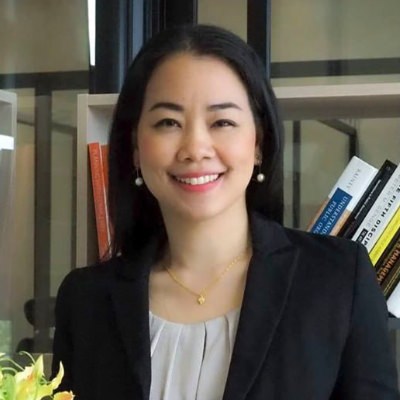
charms-warathida-chaiyapa
©Chiang Mai University – SPP
Projekt CHARMS, Warathida ChaiyapaLanna-wooden house is a cultural heritage that reflects the local wisdom of designing and building residents based on nature and reflecting the way of life of Chiang Mai people. Today we have witnessed them being faded away along with the rise of modern development and expansion of the city. CHARMS determines to conserve this local cultural heritage by introducing modern energy efficiency and construction technology to be adapted to maintain a Lanna-wooden house. Passing on the house to young generations, CHARMS offers a solution to carry on this wooden house to modern time as a place for thermal comfortable living and a reminder of the beauty and wisdom of Lanna culture.
These news might also interest you
Project visit to Chiang Mai

In the beginning of December 2022, two researchers of Fraunhofer IEE in Kassel visited Chiang Mai. One objective of their…
Report about Project Visit to Chiang Mai “A short note on the topic of wood” by Christine Richter
A short note on the topic of wood by Christine Richter (CHARMS) In July 2022 I went on a…